
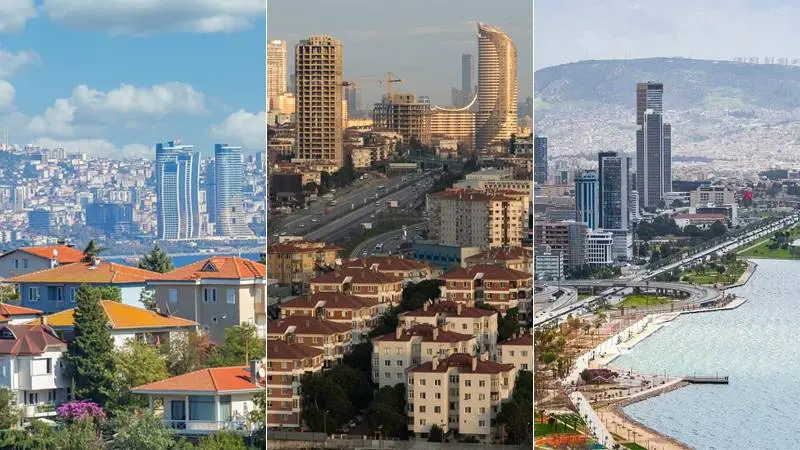
Choosing where to study abroad is one of the most important decisions for international students, and Turkey offers a unique mix of opportunities across its major cities. From bustling metropolises to coastal hubs, each city provides a distinct combination of academic programs, lifestyle, and cultural experiences. Understanding which location best aligns with your goals can make the difference between a stressful study period and a fulfilling, growth-oriented experience. This guide will help you navigate Istanbul, Ankara, and Izmir to determine the Best Turkish City for International Students in 2026, factoring in academics, cost, social integration, and long-term opportunities.
The Cost Structure That Truly Shapes Student Life
For most international students, living expenses are the decisive factor when choosing a city in Turkey. In Istanbul, monthly housing costs typically range from 12,000 to 25,000 TRY ($285–595), depending heavily on the neighborhood and distance from major universities. Central districts such as Beşiktaş and Kadıköy, popular among students at top institutions, often require budgets of 18,000–25,000 TRY ($430–595) for private accommodation. More affordable areas like Esenyurt or Küçükçekmece reduce rent to around 10,000–14,000 TRY ($240–335), but usually add long daily commutes of up to 50 minutes.
Ankara offers a more cost-efficient housing structure, with monthly rents generally falling between 8,000 and 16,000 TRY ($190–380). One of the capital’s strongest advantages is that student-friendly neighborhoods near major universities—such as Çankaya and Yenimahalle—provide comfortable housing priced around 10,000–13,000 TRY ($240–310), often within a 10–20 minute commute. Ankara’s organized city plan and reliable metro network make it easier to live closer to campus without paying premium prices.
Izmir occupies a middle position in terms of housing costs, averaging between 9,000 and 18,000 TRY per month ($215–430). Districts like Bornova and Buca, which host several major universities, commonly offer student accommodation in the 11,000–15,000 TRY range ($260–360), with commute times rarely exceeding 25 minutes. Unlike Istanbul, Izmir’s universities are clustered in accessible zones rather than spread across a vast metropolitan area.
Food expenses show smaller but still meaningful differences. Students in Istanbul typically spend about 8,000–10,000 TRY ($190–240) per month on food, while similar consumption costs around 6,500–8,500 TRY ($155–200) in Ankara and 7,000–9,000 TRY ($165–215) in Izmir. Although Istanbul’s competitive restaurant scene can make dining out relatively affordable, grocery prices tend to be higher due to supply-chain and distribution factors.
Transportation costs further influence monthly budgets. In Istanbul, students usually spend 1,000–1,500 TRY ($24–36) navigating long distances via metro, buses, ferries, and shared transport. Ankara students often manage with 700–1,000 TRY ($17–24), traveling shorter routes on efficient metro lines. In Izmir, average transportation expenses fall between 750 and 1,100 TRY ($18–26), thanks to compact university districts and reduced cross-city travel.
When these costs are combined, estimated minimum monthly living expenses reach 22,000–28,000 TRY ($525–670) in Istanbul, 17,000–22,000 TRY ($405–525) in Ankara, and 18,500–24,000 TRY ($440–575) in Izmir. Over the course of a four-year degree, choosing Ankara over Istanbul can translate into savings of $5,760 to $19,200—an amount that plays a critical role in identifying the Best Turkish City for International Students.
If you’re planning your path through Educational immigration and want expert guidance on choosing the most cost-effective city and university in Turkey, Homa Immigration is ready to help you make a smart, future-focused decision.
University Quality and Program Availability
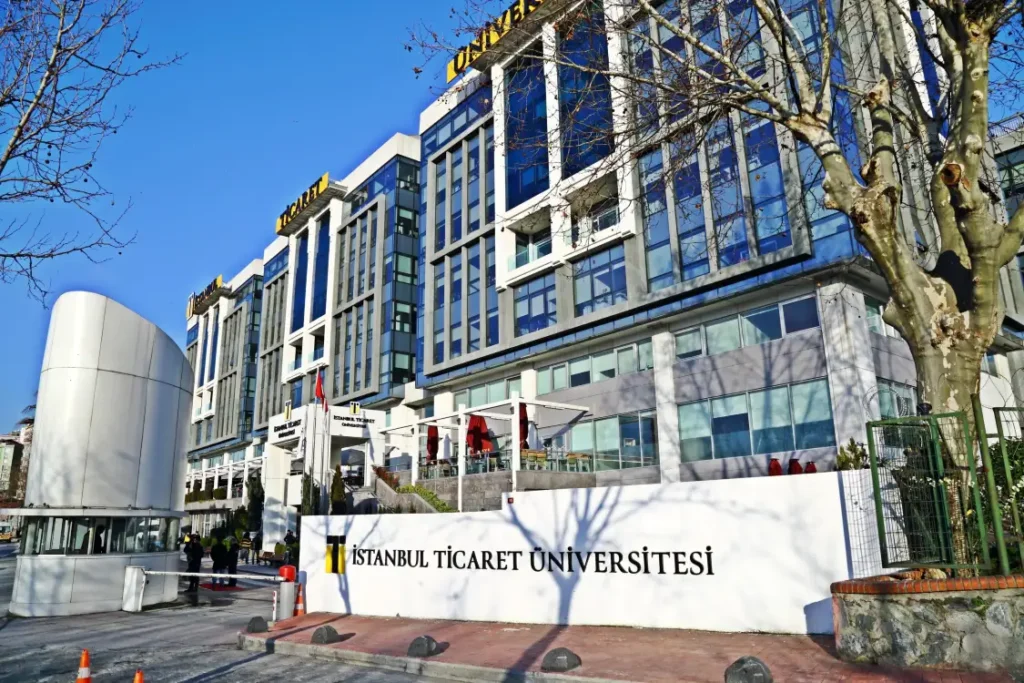
Academic reputation plays a major role in where international students choose to study, and Turkey’s three main student cities offer very different higher-education ecosystems. Istanbul stands out for its concentration of well-known universities, particularly in the private sector. Institutions such as Boğaziçi University, Koç University, Sabancı University, Istanbul Technical University, and several high-profile private schools are widely recognized for strong English-taught programs. Degrees from these universities—especially in fields like computer science and engineering—tend to carry stronger recognition in Turkey’s competitive job market.
However, Istanbul’s academic landscape is uneven. Alongside top-tier universities, the city is home to many newer or mid-level private institutions with sharply varying standards. Students who equate the city’s global image with guaranteed academic quality may find themselves paying tuition fees of $5,000 per year or more for programs that offer less academic depth than long-established public universities in Ankara, where annual costs can be a fraction of that amount.
Ankara approaches higher education from a different angle, with a strong emphasis on public universities and research-driven programs. Middle East Technical University is widely regarded as Turkey’s leading technical institution and stands on equal footing with Istanbul’s most prestigious schools. Hacettepe University is particularly respected in medicine and health sciences, while Ankara University, Gazi University, and Bilkent University provide a broad range of disciplines supported by experienced faculty and solid academic infrastructure. Although Ankara lacks the sheer number of private universities found in Istanbul, the consistency and reliability of its public institutions are major advantages.
Izmir offers a smaller but more focused academic environment. Its higher education system revolves around a few key universities: Ege University, known for medicine and agricultural studies; Izmir Institute of Technology, with a strong emphasis on engineering and science; and Dokuz Eylül University, which provides a wide selection of programs. While these institutions do not rival Istanbul’s elite universities or Ankara’s technical specialization, they offer respectable academic standards combined with low tuition fees—often between $400 and $900 per year—and a lifestyle that many students find more relaxed and affordable.
Program availability also differs notably between the cities. Students seeking highly specialized or creative fields such as digital media, fashion design, or niche social sciences are far more likely to find suitable options in Istanbul. For more common disciplines—including engineering, business, medicine, and computer science—all three cities offer solid educational paths, making cost of living and daily lifestyle more decisive than small differences in academic ranking when choosing the Best Turkish City for International Students.
Language of instruction is another critical factor. Istanbul and Ankara lead in the number of English-taught programs, particularly through private universities and institutions like METU and Bilkent. In contrast, most programs in Izmir are delivered in Turkish, with limited English-language options, which can be a determining issue for students who are not yet proficient in Turkish.
Lifestyle and Integration Patterns
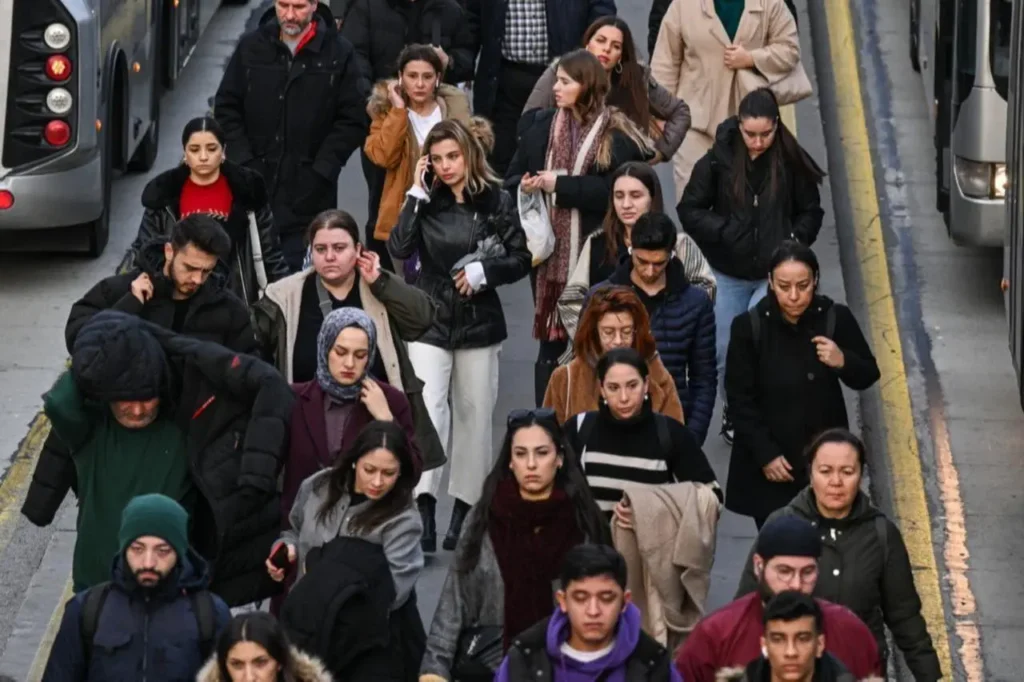
Daily life for international students looks very different across Turkey’s major university cities. Istanbul functions as a truly global metropolis, where it is entirely possible to live, study, and socialize almost exclusively in English. Areas such as Beşiktaş, Kadıköy, and Taksim are home to long-established international communities, global cuisine, English-language events, and social circles that operate independently of local culture. This environment offers comfort and accessibility, but it also makes it easy for students to remain culturally detached if they choose.
With a population exceeding 16 million, Istanbul delivers nonstop movement and variety. From large-scale cultural events and international concerts to museums and short trips to coastal destinations like the Princes’ Islands or the Black Sea, the city offers constant stimulation. Students from megacities such as Cairo, Lagos, or Dhaka often feel at ease within this scale, while those from smaller or quieter backgrounds may find the pace mentally exhausting over time.
Ankara presents a contrasting experience as both a political center and an academic hub. Its population of around 5.7 million creates an active urban environment without the sensory overload of Istanbul. International students are more noticeable here, and interactions with Turkish classmates tend to be more direct and frequent. While the presence of embassies and diplomatic institutions ensures basic English-language support, everyday life in Ankara generally requires practical Turkish skills.
Social life in Ankara revolves largely around universities rather than commercial nightlife. Students commonly connect through campus cafés, dormitory activities, academic clubs, and study groups instead of high-cost restaurants or clubs. This naturally encourages stronger peer bonds, and many students report forming deeper friendships compared to Istanbul, where social networks are often fragmented by distance and time.
Izmir offers a lifestyle shaped by its Aegean coastline and Mediterranean character. With roughly 4.4 million residents, the city feels urban yet unpressured. Beaches are reachable within 30 to 40 minutes, the climate remains mild for most of the year, and daily life moves at a noticeably slower rhythm. Known for its open-minded and progressive atmosphere, Izmir attracts students who value social freedom and a more relaxed cultural setting.
The level of cultural integration varies significantly between the three cities. In Istanbul, international students can easily remain within global circles. Ankara subtly pushes students toward integration due to a smaller international population. Izmir, where foreign students often make up less than 2% of many programs, practically requires engagement with local culture. As a result, students aiming to learn Turkish quickly tend to progress fastest in Izmir and slowest in Istanbul—an important consideration when choosing the Best Turkish City for International Students.
Climate also plays a practical role in overall satisfaction. Istanbul’s winters are cold and rainy, typically ranging from 2 to 10°C, limiting outdoor activity for several months. Ankara experiences colder but drier winters, with temperatures often dropping below freezing. Izmir’s Mediterranean weather is milder, with winter temperatures between 8 and 16°C and very little snow, allowing outdoor routines to continue year-round. For students coming from warmer regions, these climate differences can significantly influence comfort and well-being.
If you want expert guidance on selecting the city that best matches your lifestyle, integration goals, and academic plans in Turkey, Homa Immigration can help you make a confident and informed decision for your study journey.
Employment and Internship Realities
Career opportunities during and after university vary sharply between Istanbul, Ankara, and Izmir, especially for international students.
- Istanbul is the economic engine of Turkey and hosts the majority of private-sector employers.
- International corporations, tech companies, startups, consulting firms, and finance-related businesses are heavily concentrated here.
- A computer science student can realistically access 50+ internship opportunities in Istanbul, compared to around 10–15 in Ankara and 5–8 in Izmir.
- This early access often creates a long-term advantage, as stronger internships increase the likelihood of full-time employment after graduation.
- Part-time work is also more accessible in Istanbul due to its size and tourism-driven economy.
- Jobs in hospitality, customer service, private tutoring, and language teaching are widely available.
- Typical student income ranges between 10,000–15,000 TRY per month for part-time work.
- Ankara offers fewer roles, mostly in tutoring and basic services, with average earnings of 8,000–12,000 TRY, while Izmir sits slightly higher at 9,000–13,000 TRY.
- For students who plan to build a career in Turkey, Istanbul’s job market can justify the higher cost of living.
- However, for those intending to return home or move to a third country after graduation, employment density becomes less critical than education quality and affordability—making Ankara or Izmir more practical options.
- Ankara holds a unique advantage for students interested in public-sector careers.
- As Turkey’s political capital, it hosts ministries, embassies, international organizations, NGOs, and research institutions.
- Students in fields such as political science, international relations, public policy, or civil society often find more relevant internships and networking opportunities in Ankara than in Istanbul.
A Practical Decision Framework for Choosing the Right City
Instead of relying on reputation or assumptions, successful students evaluate cities based on alignment with their personal and academic priorities when selecting the Best Turkish City for International Students.
Choose Istanbul if you:
- Need access to a wide variety of specialized or niche academic programs
- Prefer English-heavy academic and social environments
- Want abundant part-time work and private-sector career pathways
- Plan to remain in Turkey after graduation
- Thrive in large, fast-paced metropolitan environments
- Are attending a top-tier university where the institutional advantage offsets higher costs
Choose Ankara if you:
- Want strong academic quality with lower living expenses
- Are focused on technical, scientific, or medical disciplines
- Prefer a close-knit, university-centered social environment
- Are willing to use Turkish in daily life
- Aim for careers linked to government, policy, or international organizations
Choose Izmir if you:
- Prioritize lifestyle balance and mental well-being over aggressive career networking
- Want immersive Turkish-language exposure
- Value mild weather, coastal access, and a slower pace of life
- Prefer socially liberal and relaxed environments
- Plan to study at Ege University, Izmir Institute of Technology, or Dokuz Eylül in their core strengths
Avoid choosing based on:
- City name or reputation alone
- Second-hand opinions from friends or relatives
- Vague claims about “more opportunities”
- Prestige assumptions without evaluating specific universities and departments
A common mistake is selecting Istanbul simply because of its global image, without calculating whether the 25–40% higher living costs and lifestyle trade-offs actually serve one’s academic and career goals. For example, a petroleum engineering student is often better served at METU in Ankara than at a mid-level private university in Istanbul, while a fashion design student realistically has no alternative to Istanbul.
Choosing the Best Turkish City for International Students requires a personalized approach—factoring in academic goals, financial limits, language ability, social preferences, and adaptability to different urban environments. When possible, visiting cities during the academic year or speaking directly with current international students can reveal realities that university brochures never show.
The Long-Term Perspective
Students who reflect positively on their university experience in Turkey often share one key trait: they chose a city that genuinely suited their personality rather than an imagined version of themselves. Many outgoing students expect to thrive in Istanbul’s high-energy environment, only to find that the fast pace drains their focus and motivation. Others select Ankara for financial reasons and later discover that its structured academic life and close-knit student culture perfectly fit their needs—even if that realization comes unexpectedly.
For most academic programs, where differences in institutional quality are modest, overall success depends more on how well a student aligns with their city than on rankings alone. Students who feel socially connected and financially stable in Izmir frequently achieve better academic outcomes than peers in Istanbul who struggle with cost, isolation, or stress—proving that finding the Best Turkish City for International Students is about sustainability, not prestige.
Long-term financial planning also favors thoughtful city choice. Those who save money by studying in Ankara or Izmir gain flexibility that can fund graduate studies, start a business, or provide a safety net early in their careers. Making strategic early decisions around cost and lifestyle often outweighs short-term trade-offs, reinforcing the importance of selecting the Best Turkish City for International Students based on individual priorities.
Finally, while Istanbul offers extensive professional networks, access is not automatic. In smaller cities like Ankara, students actively engaging in campus life may build deeper, more meaningful connections than those lost in Istanbul’s sprawling environment. For many career paths—especially outside Turkey’s private sector—the quality of relationships often matters more than quantity, highlighting why identifying the Best Turkish City for International Students requires careful, personalized consideration.
Conclusion
Istanbul, Ankara, and Izmir each offer valuable experiences for international students, but they do so in very different ways. Istanbul provides unmatched variety, career exposure, and global energy, though it comes with higher costs and requires strong financial and psychological resilience. Ankara delivers exceptional value through respected universities, a focused academic environment, and long-term financial benefits, while offering a more structured lifestyle. Izmir emphasizes balance, mental well-being, and cultural integration, combining solid education with a relaxed coastal lifestyle, albeit with fewer program choices and professional networks.
Students who achieve the best outcomes—academically, socially, and financially—are those who choose a city that aligns with their authentic priorities rather than following perceptions or prestige. The Moroccan student who chose Ankara thrived not despite avoiding Istanbul but because he matched his personal goals with the city’s characteristics. This illustrates an important point: there is no single Best Turkish City for International Students, only the one that fits your unique needs.
Ultimately, selecting the right city depends on personal factors only you can evaluate: social energy, budget flexibility, career goals, and comfort with urban environments. Making a decision based on careful self-assessment, rather than reputation or comparison, is key to finding the Best Turkish City for International Students for your situation. With proper guidance, you can identify the city and university that truly support your success, making it the Best Turkish City for International Students choice for your academic journey.
For expert, personalized advice on choosing the city and university that aligns with your goals, Homa Immigration can guide you to a smart, long-term decision.
Frequently Asked Questions
1. Which city is the most affordable for international students in Turkey?
Ankara generally offers the lowest living costs, followed by Izmir, with Istanbul being the most expensive.
2. Which city provides the best internship and part-time work opportunities?
Istanbul has the widest range of internships and part-time jobs due to its large private sector and international companies.
3. Do I need to know Turkish to study in these cities?
Students can survive in English in Istanbul, but Ankara and Izmir require more Turkish for daily life and integration.
4. How do I choose the right city for my personal and academic goals?
Select the city that matches your lifestyle, budget, career plans, and personality rather than choosing based on reputation or friends’ opinions.
Resources
https://eduturkiye.com/which-turkish-city-is-best-for-foreign-students/


